In short: In the Obłazowa Cave, in a rock above the Białka river, archaeologists found a boomerang carved from a mammoth tusk. It is 71 cm long, weighs about 800 grams and is about 40,000 years old. It is considered the oldest known boomerang in the world. A replica thrown in a test flew 66 metres.
When you say “boomerang”, you think “Australia”. Yet the oldest known specimen comes not from the Antipodes but from a small cave above a mountain river in Podhale, a few kilometres from Białka Tatrzańska. If you like stories that change the way you see the world, this one is for you.
Where the Obłazowa Cave is
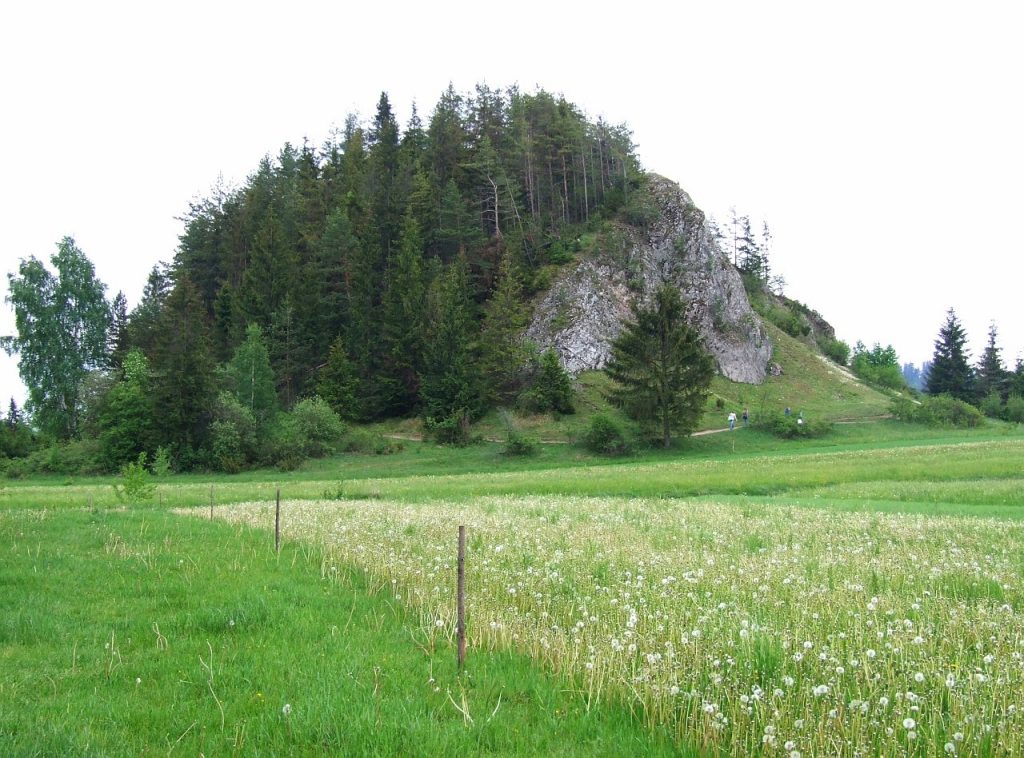
The cave is in the Obłazowa rock, in the Białka Gorge reserve near Krempachy. It is a small grotto in a limestone wall above the river. Nothing outside gives away that it was one of the most important archaeological sites in this part of Europe.
The discovery that surprised scientists
Since 1985 research in the cave has been carried out by a team of archaeologists from the Jagiellonian University led by Prof. Paweł Valde-Nowak. In successive layers of sediment they found traces of human presence from different eras, including layers associated with Neanderthals.
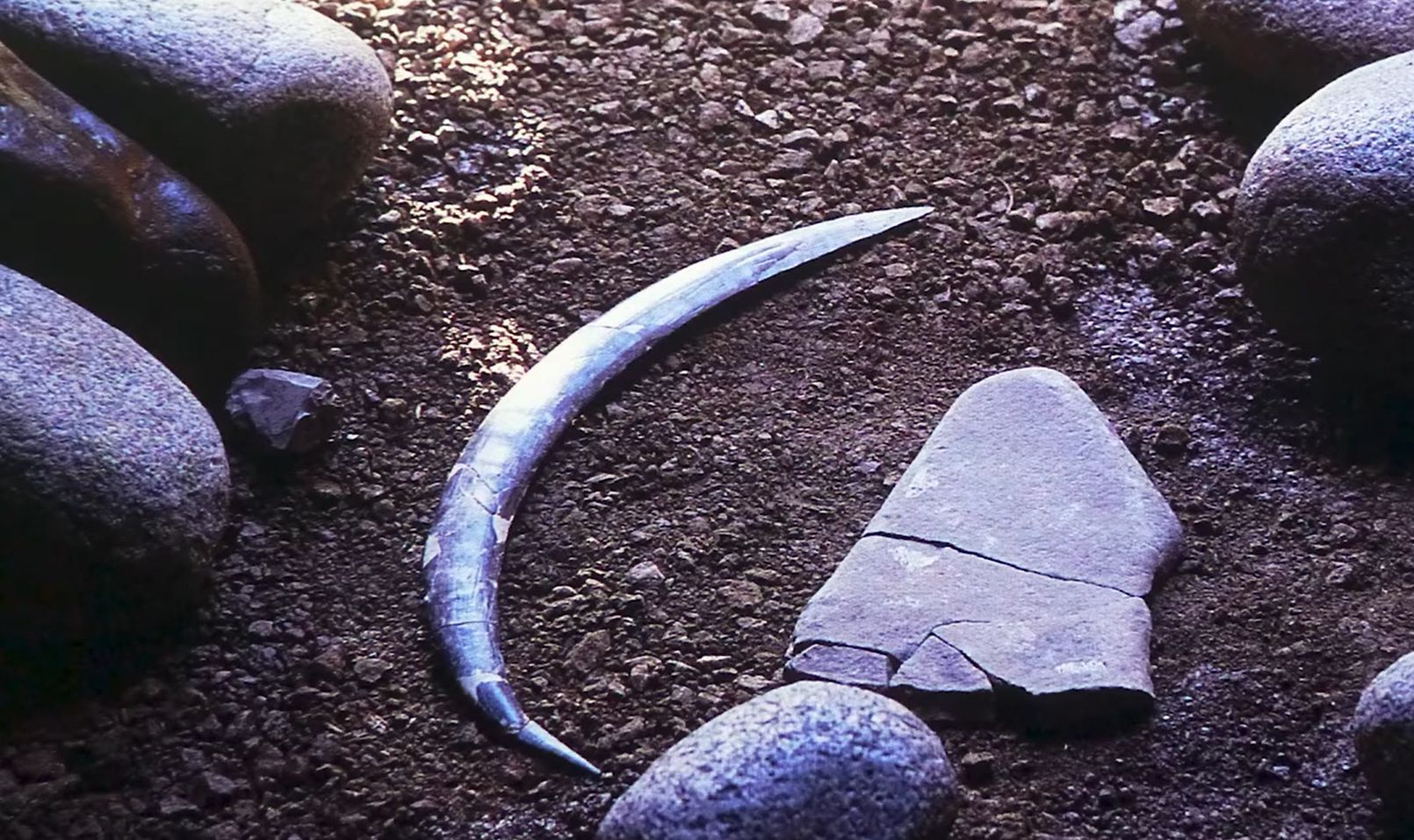
The most famous find turned out to be a curved object made from a mammoth tusk. After careful analysis scientists identified it as a boomerang. It is 71 cm long and weighs about 800 grams. Its age was estimated at about 40,000 years.
Did it really fly?
That was the first question the researchers asked themselves. A replica was made and tested in practice. The thrown specimen flew 66 metres. It did not come back to the thrower like a toy from a kiosk, but flew like a hunting weapon: far, flat and with great force. For ice-age hunters such a weapon could have been priceless.
A few facts to tell over dinner
- The boomerang is older than the oldest known Australian boomerangs.
- The material, a mammoth tusk, shows that mammoths lived in the area at that time.
- In the same cave researchers found layers associated with Neanderthals, people who lived here before modern humans.
- The cave lies in a nature reserve that today is visited mainly by walkers and people who come to bathe in the river.
How to see the place
It is best to combine the curiosity with a walk through the reserve. We described it in the article The Białka Gorge: a walk among limestone cliffs. A path with a viewpoint leads up the Obłazowa rock. From there you look at the Tatras and at the river above which, 40,000 years ago, someone worked a mammoth tusk. Remember that the cave is a scientific site in a nature reserve, so do not enter it and do not take anything away.
Stories like this are best told to children on the way. You will find more ideas for family trips in the article Białka Tatrzańska with kids, and accommodation with a kitchen and playroom at Willa pod Smrekiem.
Sources of information and photos
We checked the facts, figures and opening hours in the sources below. Prices, timetables and admission rules can change, so please check the organisers’ websites before you travel.
Photos (main image and illustrations in the text), used under the licences specified by their authors:
- Boomerang made from a mammoth tusk from the Obłazowa Cave: Photo: Cafe Wiedza, 2021, CC BY 3.0, source: Wikimedia Commons
- The Obłazowa rock in the Białka Gorge: Photo: Jerzy Opioła, CC BY-SA 4.0, source: Wikimedia Commons
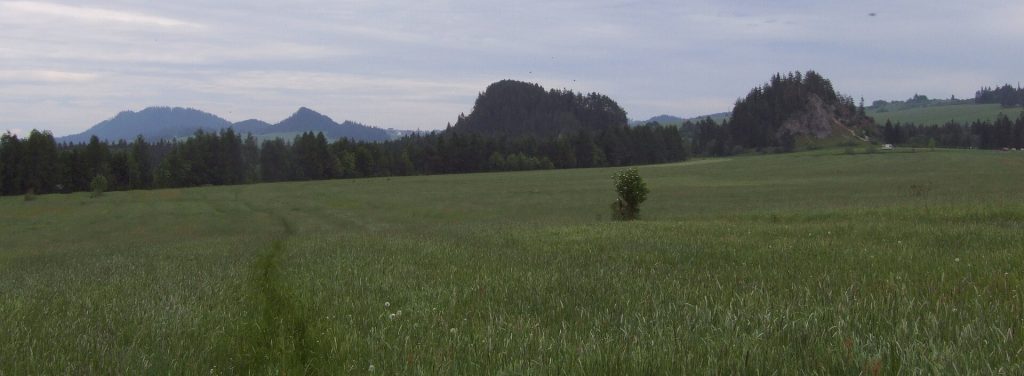
- The Kramnica and Obłazowa rocks above the Białka: Photo: Jerzy Opioła, CC BY 3.0, source: Wikimedia Commons