In short: The Białka Gorge is a nature reserve between Krempachy and Nowa Biała. The Białka river cuts through a belt of limestone rock here: Obłazowa rises about 53 m above the water, Kramnica about 65 m. Below the rocks there is a pebble beach. Admission is free, and there is a free car park on Obłazowa Street.
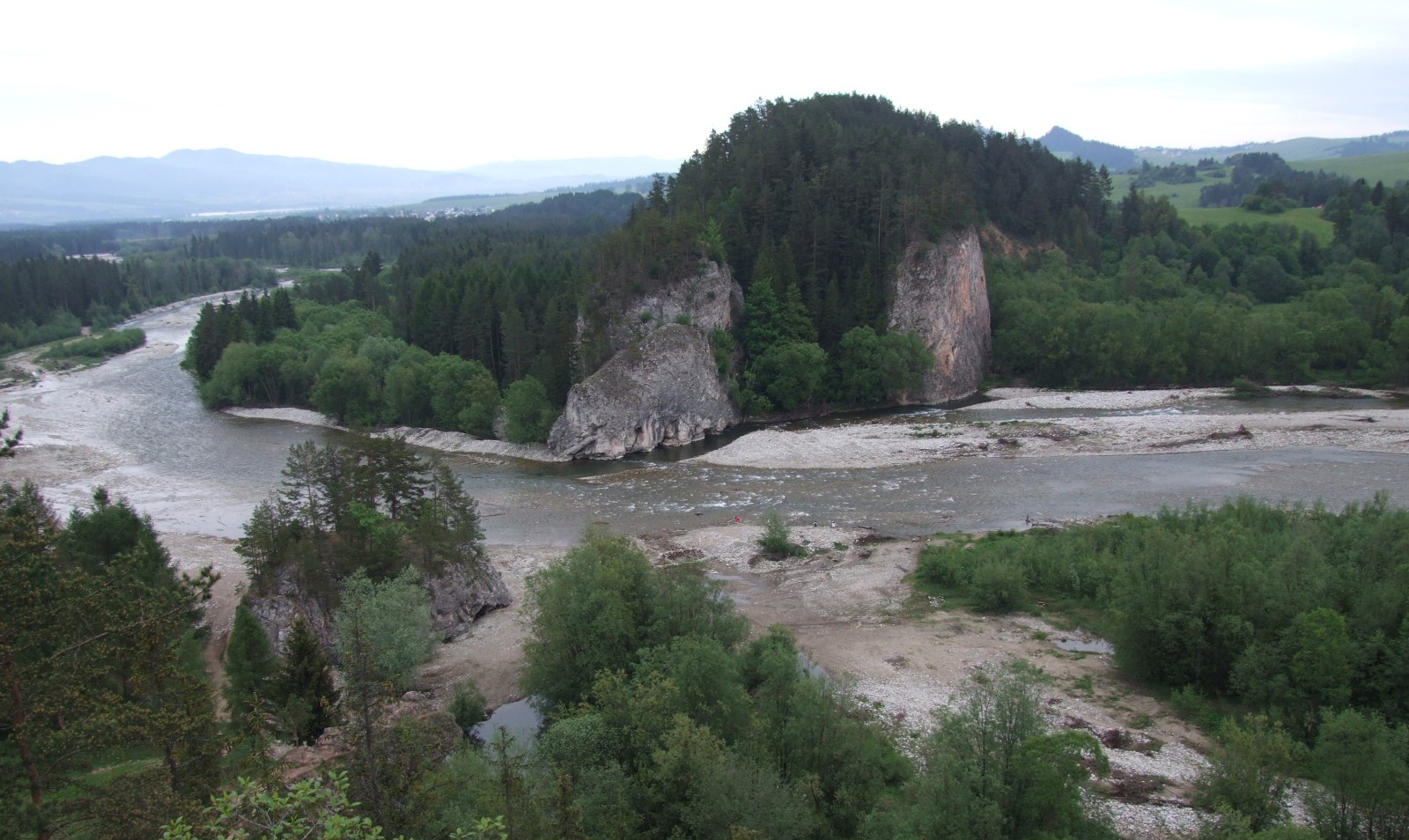
You drive for a dozen or so minutes from Białka, get out of the car and suddenly hear the river. After a moment the path comes out from behind the trees, and two white rocks rise before you, with green-blue water squeezing between them. It looks like a piece of the Pieniny moved a few kilometres to the west.
What the Białka Gorge is
The Białka river flows north from the Tatras. At Krempachy and Nowa Biała it meets a belt of hard limestone rock, the so-called Pieniny Klippen Belt, and cuts through it in a narrow gorge. To protect this landscape the nature reserve Przełom Białki pod Krempachami was created.
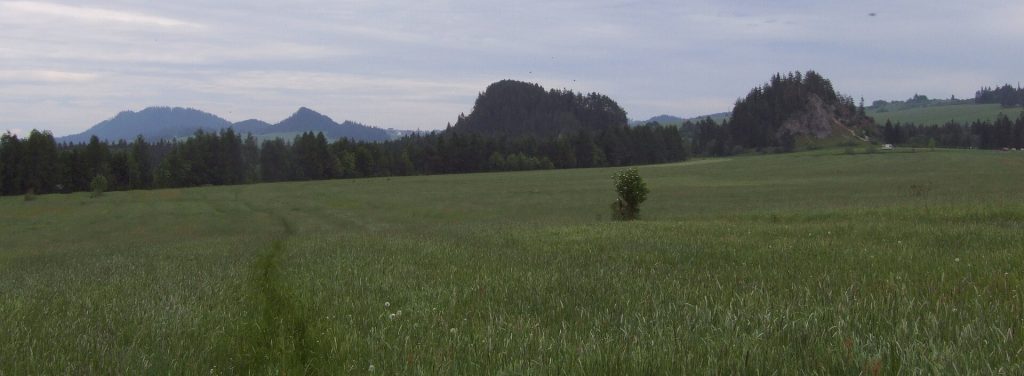
Obłazowa and Kramnica: two rocks, two characters
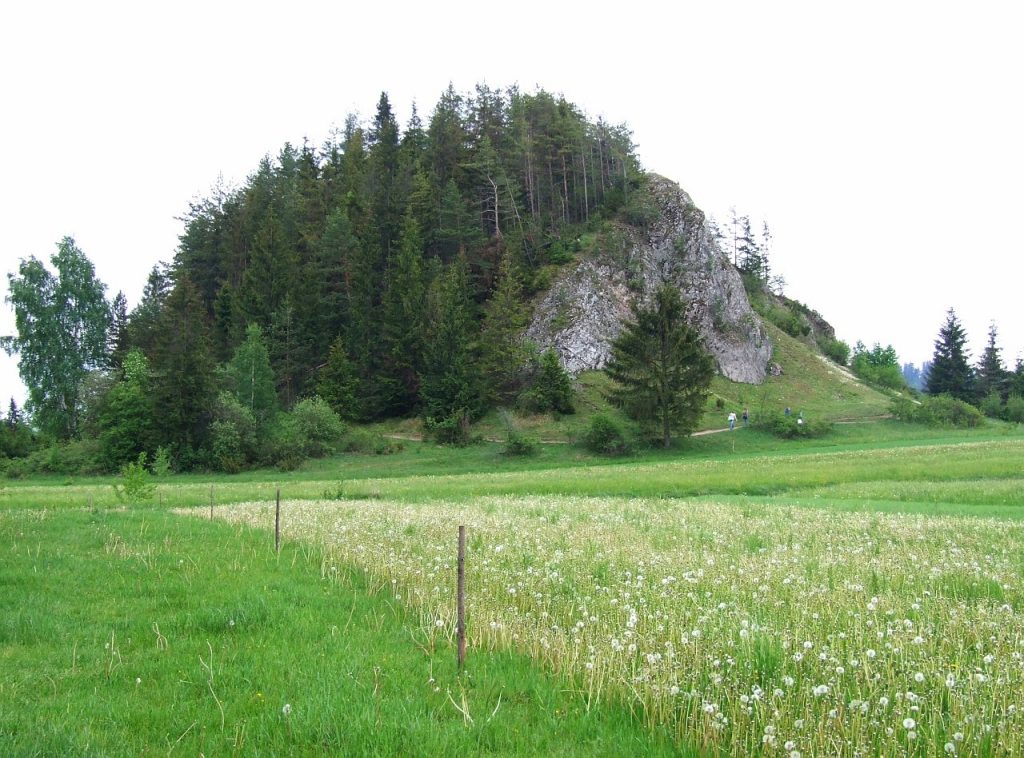
- Obłazowa is about 53 metres above the river. From the path on its summit you can see the Tatras in good visibility. Inside it lies the Obłazowa Cave, where archaeologists found the oldest known boomerang, made from a mammoth tusk.
- Kramnica on the other side of the river is taller, about 65 metres. Its walls drop straight to the water and look best from the beach.
How to plan the walk
- Getting there. The most convenient way is by car from Białka towards Nowa Biała and Krempachy. You will find a free car park on Obłazowa Street.
- The path to the rocks. A short, easy walk that a family with children can manage. A path with a viewpoint leads up the Obłazowa rock.
- The beach. Below the rocks the river forms pebble bars. In summer it is a favourite place to rest and cool your feet.
- The way back. The whole trip takes from an hour to half a day, depending on how long you spend by the water.
Bathing in the Białka: a few rules
The water in the Białka is crystal clear and cold, because it flows straight from the mountains. On a hot day it is a pleasure, but remember a few things:
- the current can be stronger than it looks from the bank, especially after rain,
- the stones are slippery, so water shoes come in handy,
- it is a nature reserve: do not light fires, do not leave litter and stick to the paths,
- children must always be supervised by adults, because the bathing spot is not guarded.
When to go
In summer for the beach and a dip. In spring and autumn for peace and colour, when the rocks stand out against green or golden leaves. In winter the ice-bound river is impressive too, but the paths can be icy.
In the evening you return to Białka, light the grill in the gazebo at Willa pod Smrekiem and discuss who was first into the cold water. Curious about the cave’s story? Read about the world’s oldest boomerang. You will find more summer ideas on the Area page.
Sources of information and photos
We checked the facts, figures and opening hours in the sources below. Prices, timetables and admission rules can change, so please check the organisers’ websites before you travel.
- Rezerwat przyrody Przełom Białki pod Krempachami, Wikipedia
- Jaskinia w Obłazowej, Wikipedia
- Białka Tatrzańska, tourist portal
Photos (main image and illustrations in the text), used under the licences specified by their authors:
- The Białka river in the Białka Gorge reserve: Photo: Jerzy Opioła, CC BY-SA 4.0, source: Wikimedia Commons
- The Kramnica and Obłazowa rocks above the Białka: Photo: Jerzy Opioła, CC BY 3.0, source: Wikimedia Commons
- The Obłazowa rock in the Białka Gorge: Photo: Jerzy Opioła, CC BY-SA 4.0, source: Wikimedia Commons