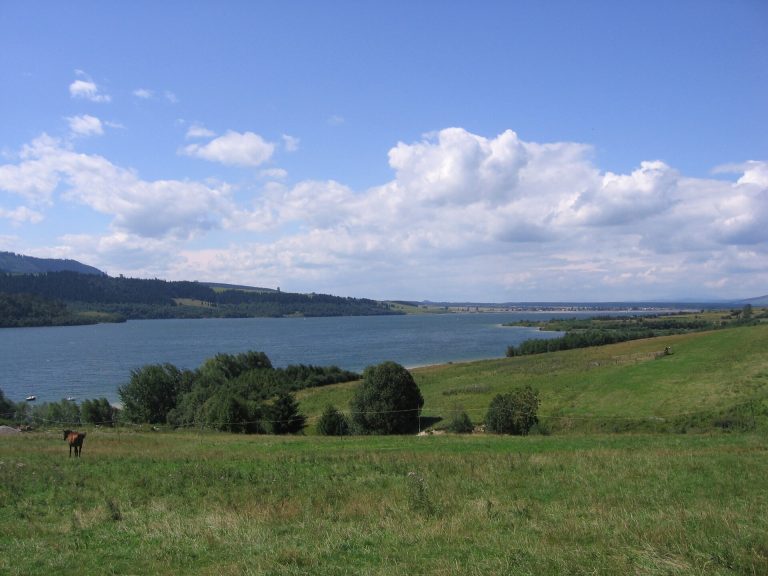
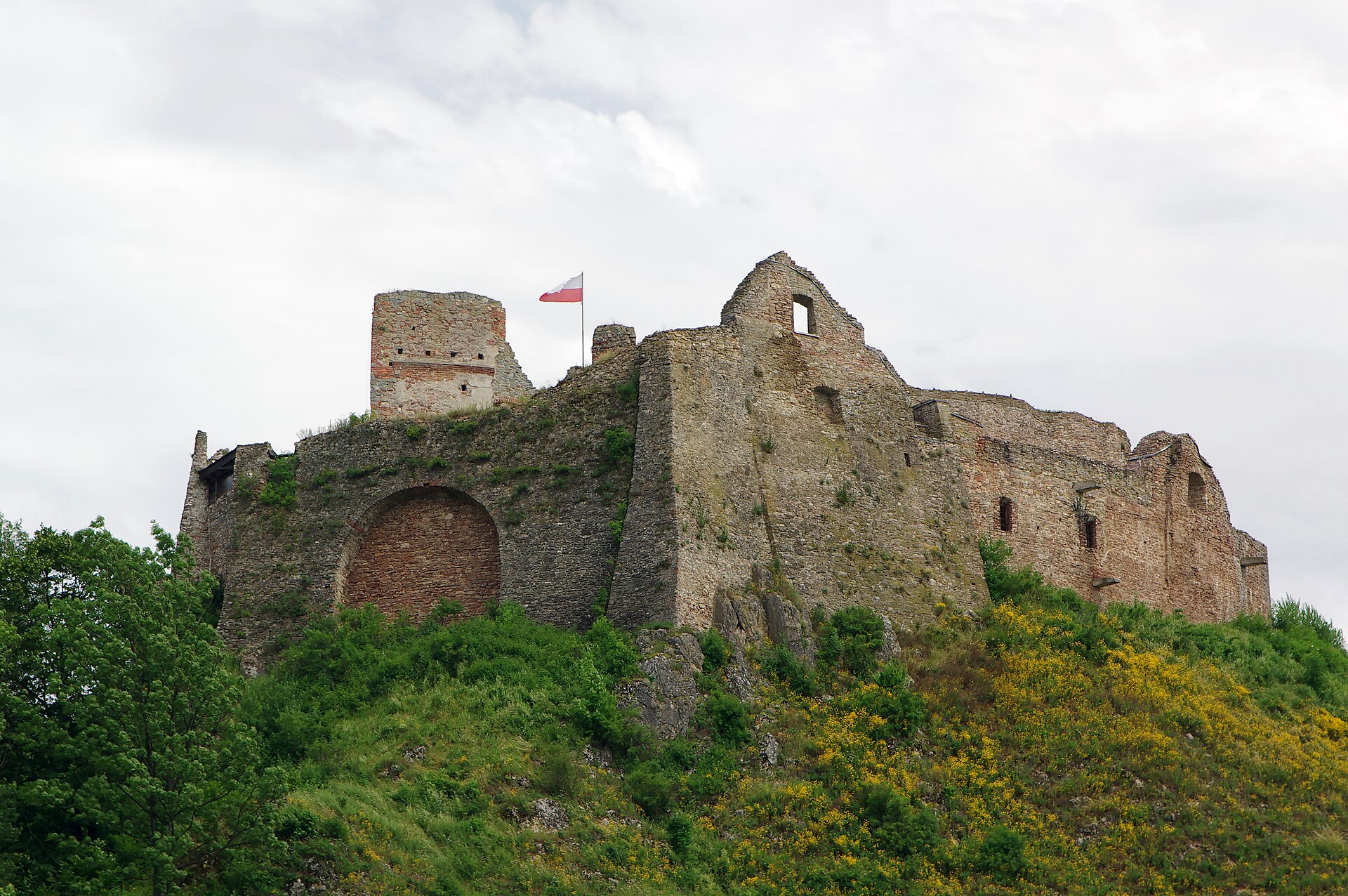
In short: the first fortifications in Czorsztyn were probably built in the 13th century, and the castle was extended under Casimir the Great. In 1651 it was seized by Aleksander Kostka Napierski, and during the Swedish Deluge King John Casimir took refuge here. Today it is a picturesque ruin with a view of Lake Czorsztyn and the castle in Niedzica.
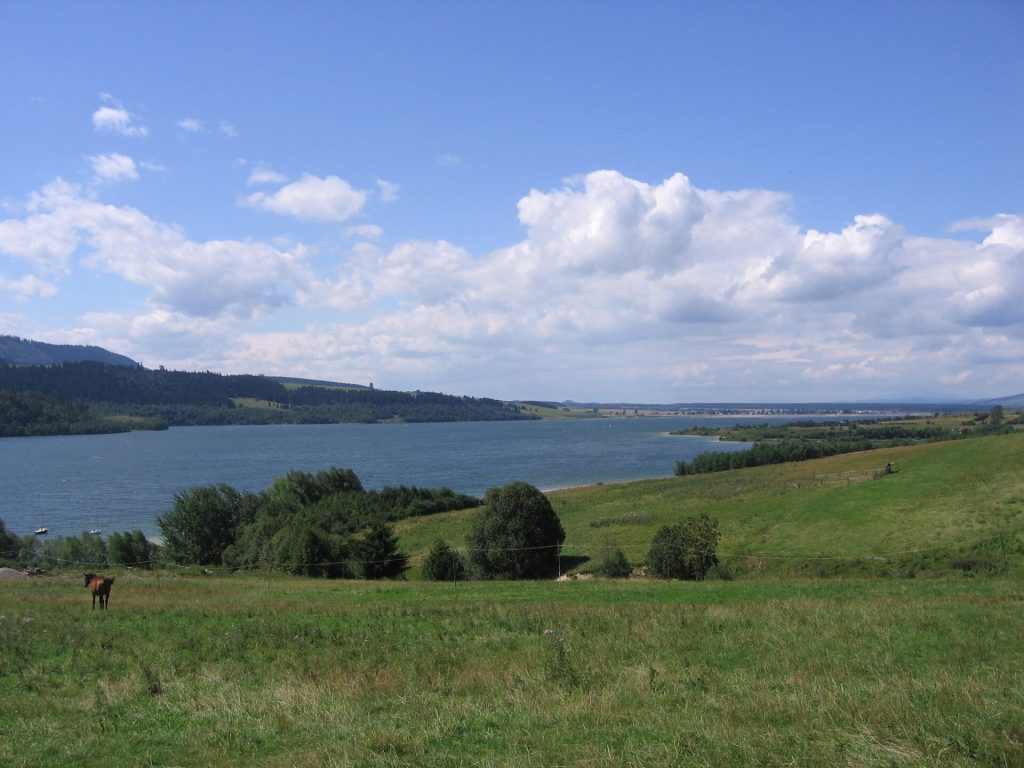
You climb a stone path, the wind tugs at your jacket, and behind a bend in the walls the view you came for opens up: the lake below, Niedzica Castle on the other side and, in good weather, the Tatras on the horizon. The ruins in Czorsztyn have something that restored castles lack: room for the imagination.
Seven centuries in a few paragraphs
A guard post on the border
The first stronghold here was probably built in the 13th century. Czorsztyn guarded the route along the Dunajec and the Polish side of the border with Hungary. Opposite, on the other bank, stood the Hungarian castle in Niedzica.
Casimir the Great
In the 14th century the castle was extended during the reign of Casimir the Great, the king who, as the saying goes, “found Poland built of wood and left it built of brick”. Czorsztyn became one of the important fortresses in the south of the country.
Napierski’s uprising
In 1651 the castle was seized by Aleksander Kostka Napierski, leader of a peasant uprising in Podhale. The revolt was quickly put down, but the story became part of the region’s legends for good.
The king during the Deluge
A few years later, during the Swedish Deluge, King John Casimir took refuge in the castle. The walls above the Dunajec gave him a safe place at the hardest moment of his reign.
What to see today
- Walls and fragments of the upper and lower castle, which you can walk among along the paths.
- Viewpoints over Lake Czorsztyn, Niedzica Castle and the dam.
- Exhibitions presenting the history of the stronghold.
The ruins lie in Pieniny National Park. Tickets are inexpensive, and current prices and opening hours are on the Pieniny National Park website.
Czorsztyn and Niedzica in one day
The best plan is to combine both castles. In season a tour boat runs between them, so you cross the lake from Czorsztyn to Niedzica instead of driving round it. The boat also carries bicycles, which will be appreciated by those riding the Velo Czorsztyn route.
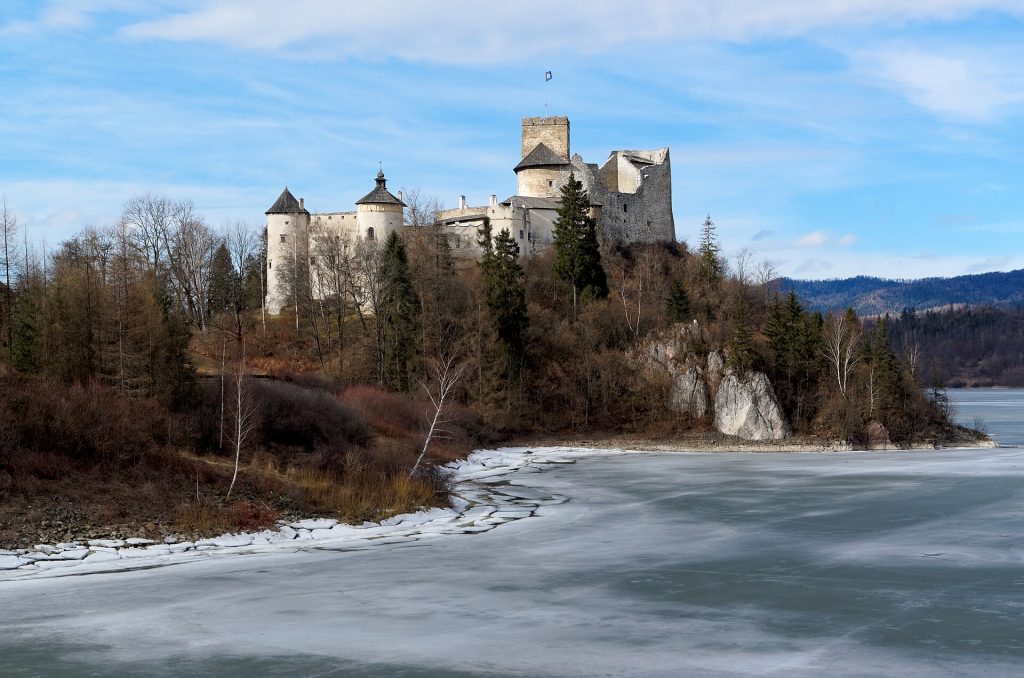
On the other side of the water waits Dunajec Castle in Niedzica and the legend of the Inca treasure. In the evening you return to Białka, where a warm room and a campfire in the garden await you at Willa pod Smrekiem.
Sources of information and photos
We checked the facts, figures and opening hours in the sources below. Prices, timetables and admission rules can change, so please check the organisers’ websites before you travel.
- Zamek Czorsztyn, Wikipedia
- Czorsztyn, Wikipedia
- Pieniny National Park
- Cycling Centre, Velo Czorsztyn route
Photos (main image and illustrations in the text), used under the licences specified by their authors:
- The ruins of the castle in Czorsztyn: Photo: Jakub Hałun, CC BY-SA 3.0, source: Wikimedia Commons
- Lake Czorsztyn in the Pieniny: Photo: pl:Wikipedysta:Mariusz G, Public domain, source: Wikimedia Commons
- Dunajec Castle in Niedzica above Lake Czorsztyn: Photo: Jakub Hałun, CC BY-SA 4.0, source: Wikimedia Commons